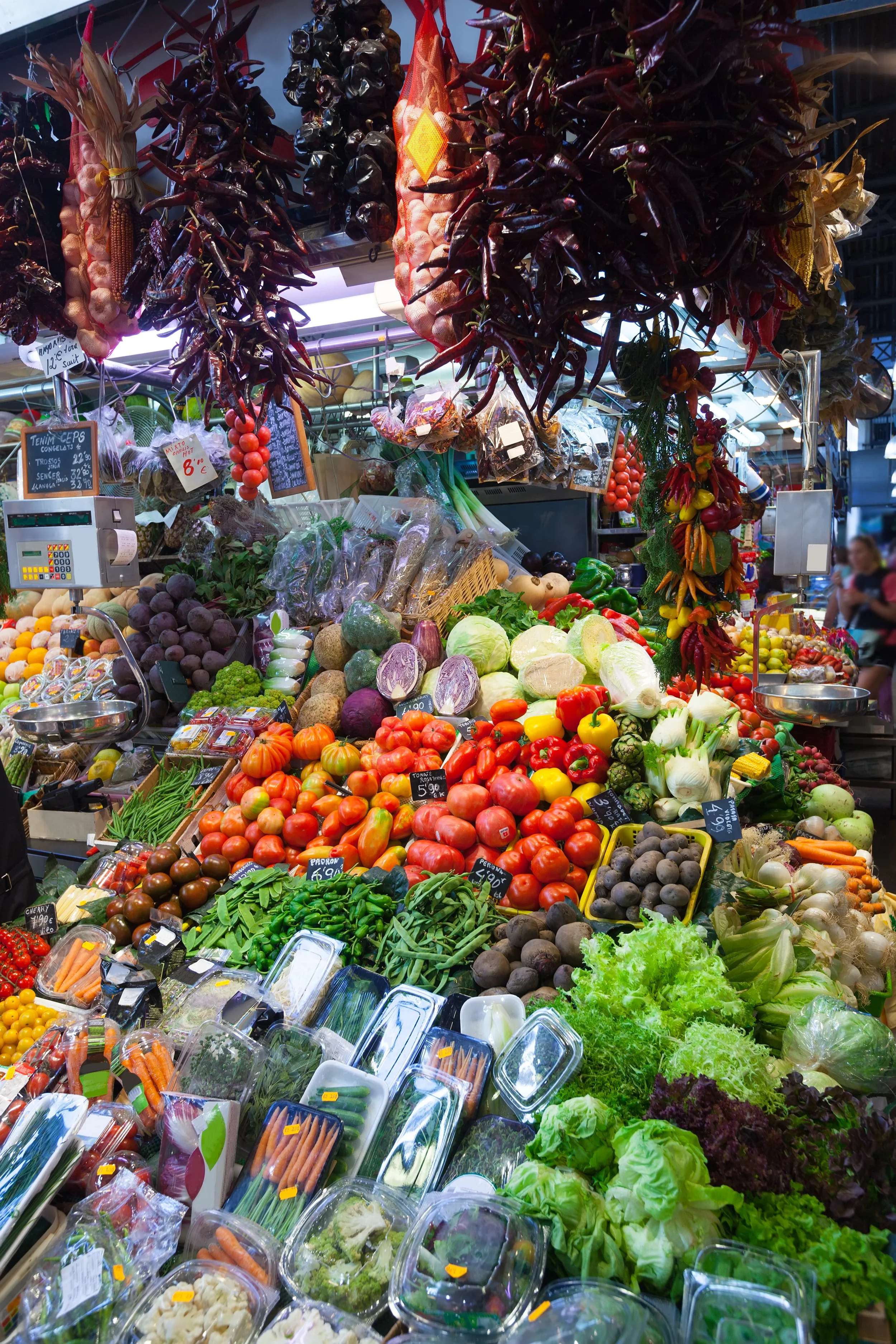
With the hyper-convenience of modern life, many of us don’t have time to visit Farmer’s markets . Enjoying a home-cooked meal is not a luxury… it’s in your grasp!
Bsomebody is an online marketplace where individual farms and farmers each operate their own virtual shops to sell produce, value-added goods, and experiences. It combines e-commerce, storytelling, and direct communication tools so customers can buy fresh, seasonal items, learn about where their food comes from, and book farm visits or virtual tours-all from the comfort of home.
How it works
Farm storefronts: Each farm has a customizable shop page with photos, product listings, pricing, availability, and shipping or pickup options. Shops can highlight certifications (organic, pasture-raised, etc.), farming practices, harvest calendars, and stories about the people behind the produce.
Product variety: Fresh produce, dairy, meat, eggs, preserves, baked goods, flowers, seedlings, and ready-made meal kits. Some farms offer subscription boxes, CSA sign-ups, or seasonal bundles.
Experiences and trips: Farmers offer on-farm visits, workshops, U-pick days, farm stays, sunset tours, and virtual farm tours or cooking demos. Bookings, calendars, and payment are handled through the platform.
Direct communication: Messaging, Q&A, and live chat let customers ask about growing methods, storage tips, or special requests. Farmers can post updates like harvest alerts, crop progress photos, and limited releases.
Logistics: The platform supports multiple fulfillment models — local delivery, regional shipping, farm pickup, and third-party courier integrations. Inventory and order management tools help farms scale while maintaining freshness.
Reviews and trust signals: Customer reviews, photos, and farmer responses build credibility. Badges for quality, sustainability practices, and community impact help buyers discover farms that match their values.
Benefits for customers
Transparency: Customers see who grows their food, how it’s grown, and when it’s available. Profiles and multimedia let buyers make informed choices.
Convenience: Browse many farms in one place, order whole or partial shares, schedule pickups or home delivery, and book farm experiences without multiple phone calls.
Freshness and seasonality: Direct-from-farm sourcing shortens the supply chain, improving flavor and reducing waste. Seasonal guides and chef-recommended recipes help customers use what they receive.
Relationships: Messaging and subscriptions foster ongoing connections. Customers can support a favorite farmer’s specific projects or pre-order spring seedlings and fall preserves.
Benefits for farmers
Market access: Small and mid-sized farms reach a wider, motivated audience without relying solely on farmers markets or wholesale buyers.
Control over pricing and branding: Farmers set prices, describe methods, and share their narratives to attract customers who value their approach.
Revenue diversification: Selling physical goods and experiences — farm tours, workshops, private dinners — spreads income across seasons.
Customer loyalty: Direct interactions and subscription models increase predictability in revenue and reduce reliance on intermediaries.
Design features that support mutual benefit
Transparent fees and fair revenue splits so farmers retain meaningful income.
Built-in educational content templates for farms to explain practices, seasonal timelines, and recipes.
Scheduling and capacity management tools for safe, well-organized farm visits.
Community features: forums, local event calendars, and farmer spotlights that build neighborhood-level engagement.
Analytics for farms: order trends, popular items, customer feedback, and region-based demand forecasts to improve planning.
Quality, safety, and sustainability
Food-safety guidelines and recommended best practices for packing and handling perishable items.
Options to verify certifications and provide audit-ready documentation.
Tools for reducing waste: pre-order limits, dynamic inventory updates, and donation or surplus-listing features to redirect excess produce.
Carbon and logistics tools to optimize delivery routes and highlight low-impact shipping/pickup choices.
Building long-term relationships
Reciprocity: Customers gain reliable access to fresher food and unique experiences; farmers gain predictable demand and direct support for farm projects.
Education: Regular content (newsletters, how-to guides, live Q&A) increases customer appreciation for seasonal cycles and farming realities.
Community investments: Farmers can offer apprentice spots, volunteer days, or community-supported initiatives that deepen ties.
Feedback loops: Responsive reviews and direct messaging help farmers adapt offerings to customer needs while preserving farming integrity.
A successful digital farmer’s market centers transparency, fairness, and practical tools that let farmers focus on production and storytelling while customers enjoy convenience and a meaningful connection to their food sources. The platform’s design should prioritize clear communication, predictable logistics, and options for in-person and virtual engagement so relationships can grow sustainably from the comfort of home.